Executive Director’s keynote at CNS Partnership Conference warned reduced federal oversight could weaken aviation security and undermine lessons learned after September 11 2001
San Francisco, United States, May 18, 2026: The Airforwarders Association (AfA) has warned against the Administration’s budget proposals to cut and privatize elements of the Transportation Security Administration (TSA), arguing such changes risk undermining aviation security frameworks established after September 11 2001.
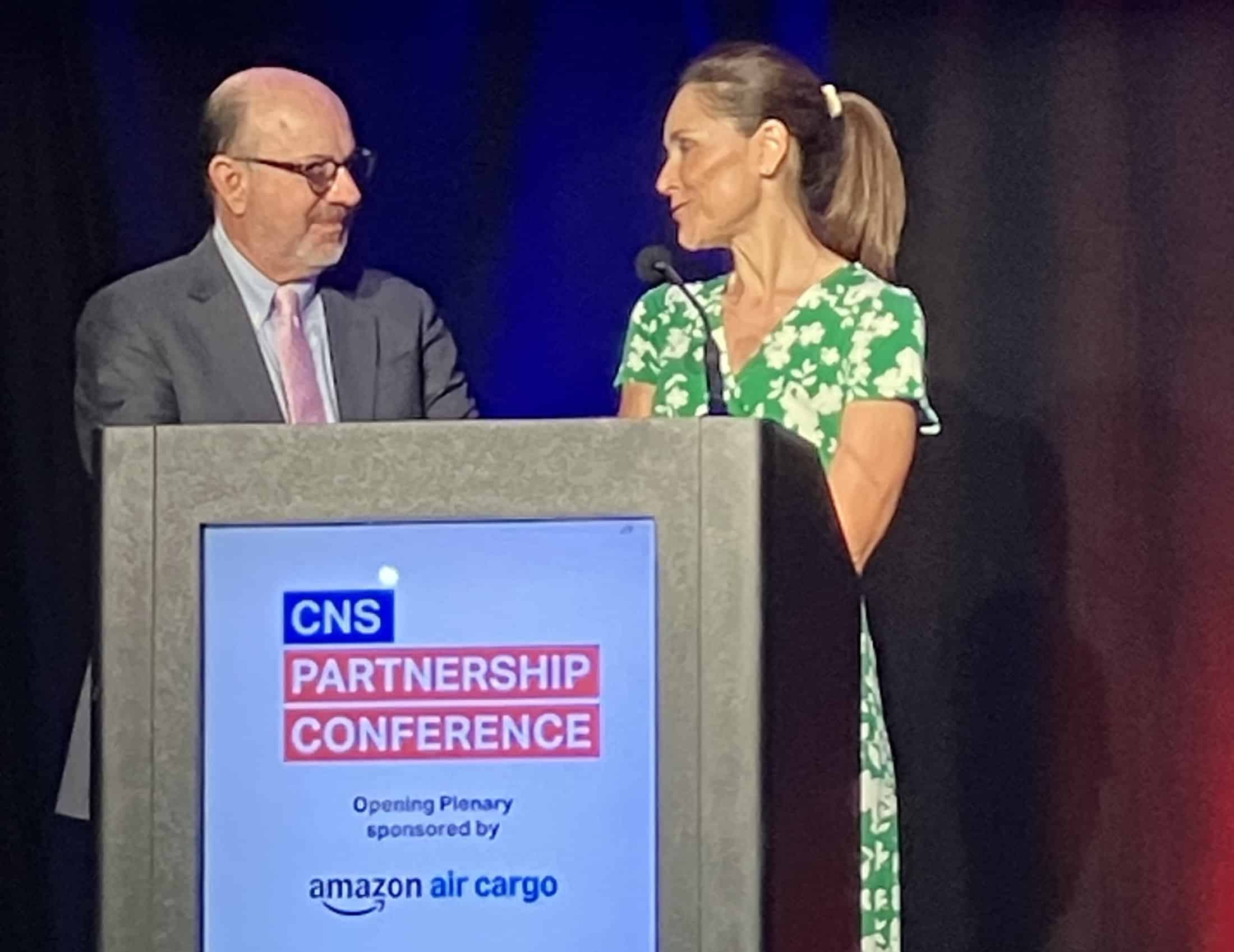
The warning was delivered by Brandon Fried in a keynote address to the CNS Partnership Conference in San Francisco today.
Federalization of passenger screening under the Aviation and Transportation Security Act came as a direct response to systemic weaknesses exposed prior to September 11, when outsourced security contracts often prioritized cost over effectiveness.
Fried argued freight forwarders built an effective government and industry security model through the Known Shipper program, Certified Cargo Screening Program, and Air Cargo Advance Screening (ACAS).
They allow certified operators to screen cargo before it reaches airports and submit advance data before departure, while TSA, Customs and Border Protection (CBP), and industry maintain national standards and accountability.
The AfA said this model should not be used to justify passenger screening privatization, where fragmented procurement and contracts driven by cost were among the weaknesses federalization was designed to address.
The Association called on policymakers to reject proposals that would privatize passenger screening functions and instead maintain and strengthen TSA authority to ensure consistent, nationwide aviation security standards.